Balcony Garden Design
Turn even the most compact balcony into a vibrant green sanctuary with well-planned container arrangements and smart plant choices.
Designing Your Balcony Oasis
A balcony garden begins with understanding your unique space. Measure available floor area, assess sunlight exposure throughout the day, and consider wind patterns common to New Zealand coastal and urban environments.
Selecting the right containers is key. Lightweight materials like fibreglass or resin work well on balconies with weight restrictions, while terracotta brings a classic, warm aesthetic. Ensure every pot has proper drainage holes to prevent waterlogging and root rot.
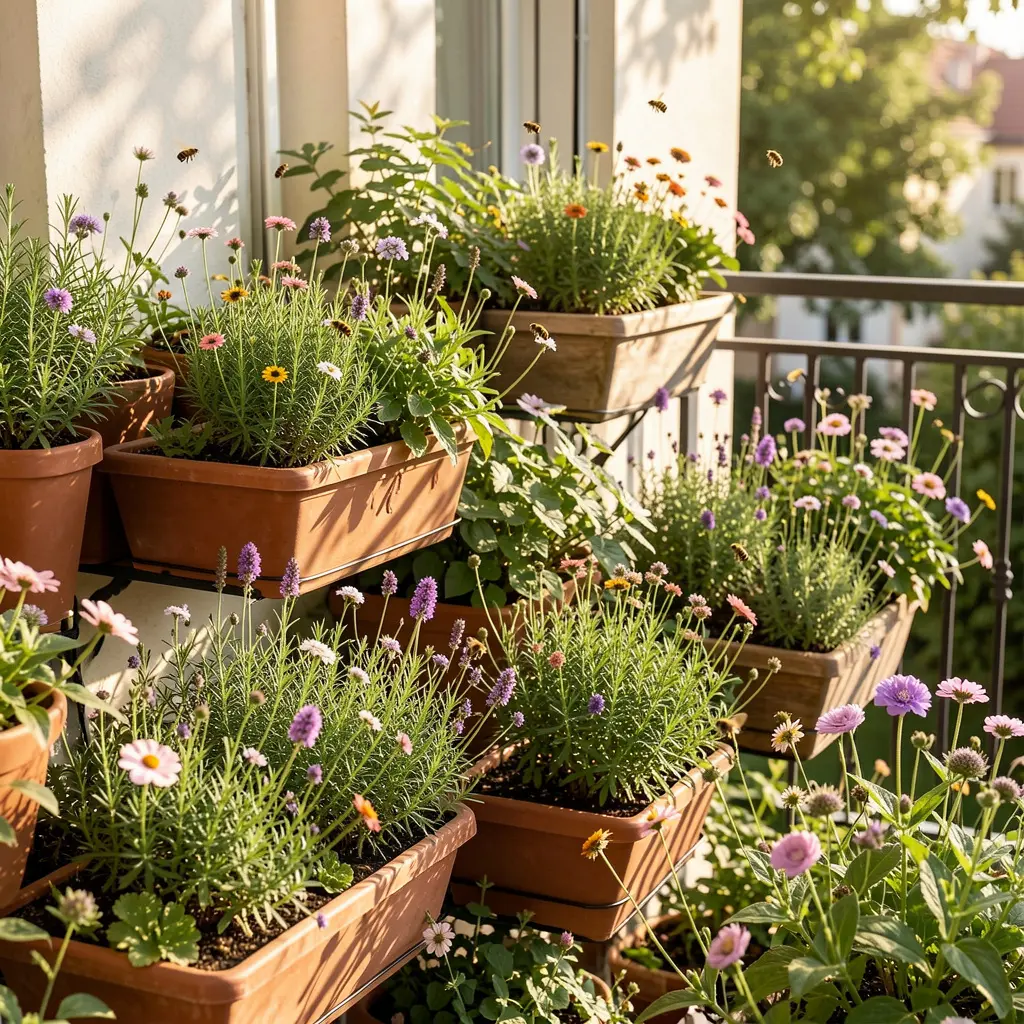
Layering plants at different heights creates visual depth and maximises growing area. Use hanging planters on railings, tall pots for ornamental grasses, and low troughs for trailing herbs like thyme or oregano.
Popular Balcony Garden Layouts
Choose a layout that complements your balcony shape and lifestyle. Each approach offers distinct advantages for space use and visual appeal.
Vertical Stack
Use wall-mounted planters and stacking systems to grow upward. Perfect for narrow balconies where floor space is limited but wall area is plentiful.
Corner Cluster
Group containers of varying sizes in a balcony corner. This creates a lush focal point while keeping walkways clear for daily use.
Railing Display
Secure planters along the balcony railing for a garden that catches the eye from both inside and outside. Great for trailing flowers and herbs.
Key Principles for Balcony Gardening
Follow these foundational concepts to create a balcony garden that looks beautiful and sustains plant health year-round.
Light Assessment
Track how sunlight moves across your balcony during different seasons. North-facing balconies in New Zealand receive the most sunlight, making them ideal for sun-loving vegetables and flowers.
Wind Management
Balconies on higher floors often experience strong winds. Use windbreaks like lattice panels with climbing plants, or choose sturdy, compact plant varieties that handle gusts well.
Weight Considerations
Check your balcony's load capacity before adding heavy containers. Opt for lightweight potting mixes and composite pots to reduce overall weight without compromising plant health.
Drainage Planning
Proper drainage prevents water damage to balcony surfaces. Use saucers under pots and consider self-watering containers that reduce overflow and make maintenance simpler.
Need Help With Your Balcony Garden?
Our team can recommend suitable container arrangements and plant selections for your specific balcony conditions. Get in touch for personalised guidance.
Reach Out